02
THE BRAND IN RALLYING
← Back to brands
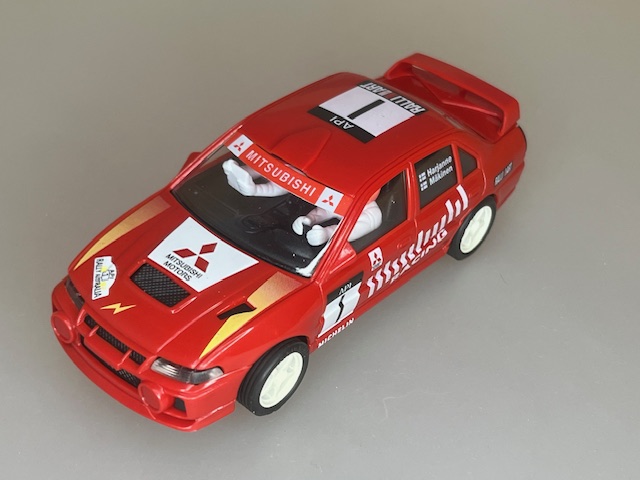
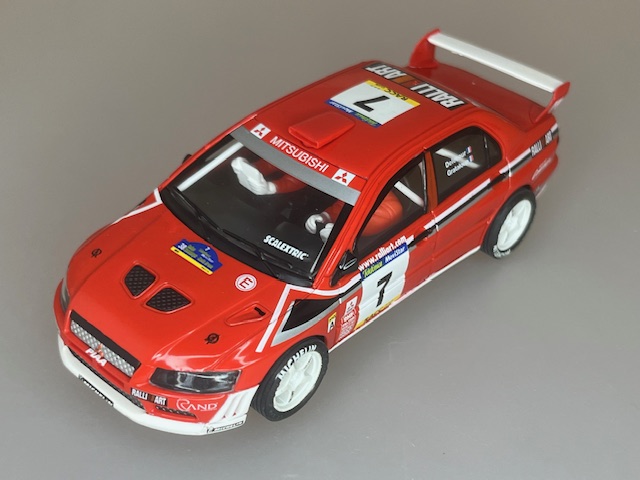
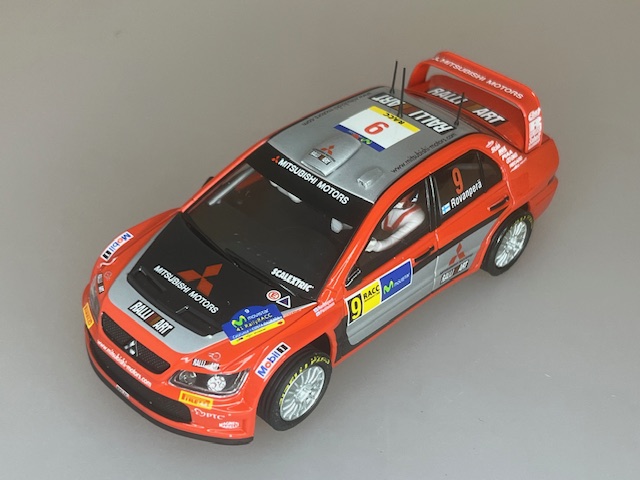
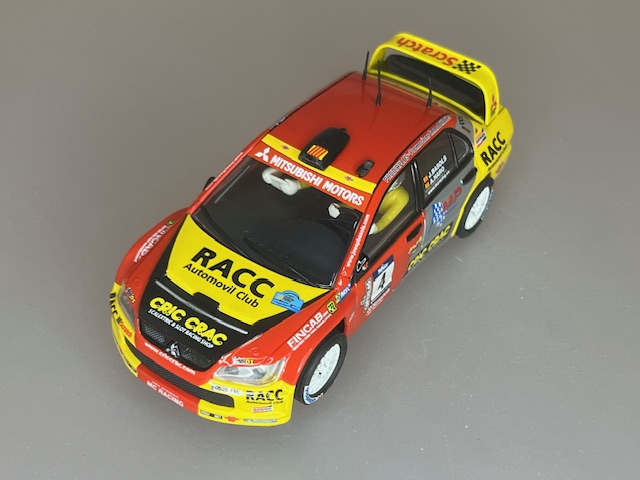
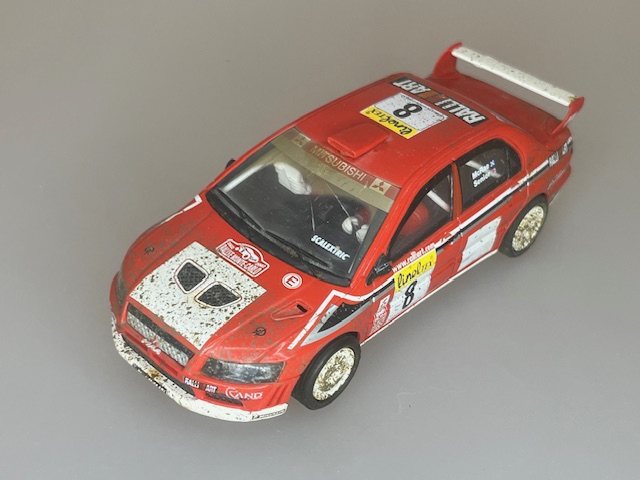
Mitsubishi developed a legendary relationship with rallies that defined much of its sporting identity during the 1990s and 2000s. The Japanese brand became synonymous with success in rally competitions, thanks mainly to the iconic Lancer Evolution, a compact sedan born directly from the demands of the World Rally Championship (WRC). The Lancer Evolution debuted in 1992 as a homologated version of the base Lancer, equipped with a 2.0-liter turbocharged engine and all-wheel drive. Mitsubishi had learned valuable lessons from previous models like the Starion and the Galant VR-4, but it was with the “Evo” that it reached its competitive peak. The Super All Wheel Control (S-AWC) all-wheel-drive system became one of the most advanced technologies of its time, allowing for an intelligent distribution of torque between the four wheels. In the WRC, Mitsubishi secured four consecutive constructors' titles between 1996 and 1999, with top-tier drivers like Tommi Mäkinen, who won four consecutive world championships at the wheel of the Lancer Evolution from 1996 to 1999. Richard Burns also contributed to the brand's honors with numerous victories, solidifying Mitsubishi's reputation as a dominant force in world rallying. Mitsubishi’s withdrawal from the WRC in 2005 marked the end of a golden era.
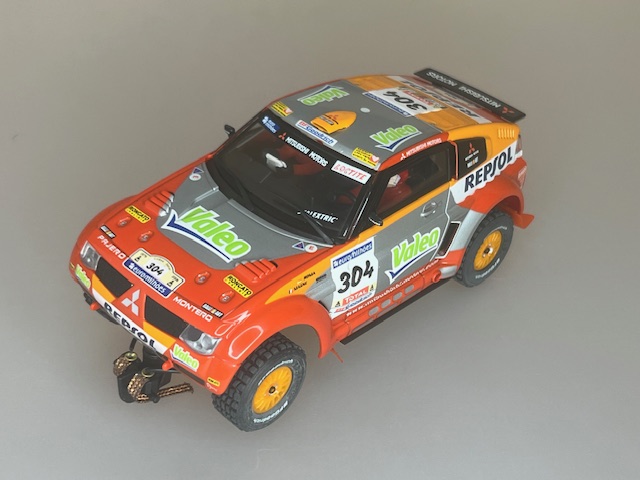
Mitsubishi is one of the most important brands in the history of rally-raid and the Dakar, to the point of being considered for years the absolute reference in competitive off-road racing. Its involvement began in 1983 through Ralliart, using the Mitsubishi Pajero/Montero, a model that combined robustness, reliability, and constant technical evolution. The brand achieved its first absolute victory at the Dakar in 1985, initiating a trajectory that would eventually become legendary. During the 1990s and 2000s, Mitsubishi perfected the concept until reaching the Pajero Evolution, an increasingly sophisticated prototype, with all-wheel-drive versions, naturally aspirated engines and later diesel, and reliability that was almost insulting to the competition. This work culminated in an unprecedented dominance: 12 absolute victories at the Dakar, including a historic streak of seven consecutive triumphs between 2001 and 2007. In 2009, coinciding with the Dakar's departure from Africa and the global economic crisis, Mitsubishi announced its official withdrawal from rally-raid.